


I am often asked about my views on retirement plans and my trademarked phrase, “Retire with dignity”. Isn’t this what we would wish for everyone? The opportunity to enjoy their golden years?
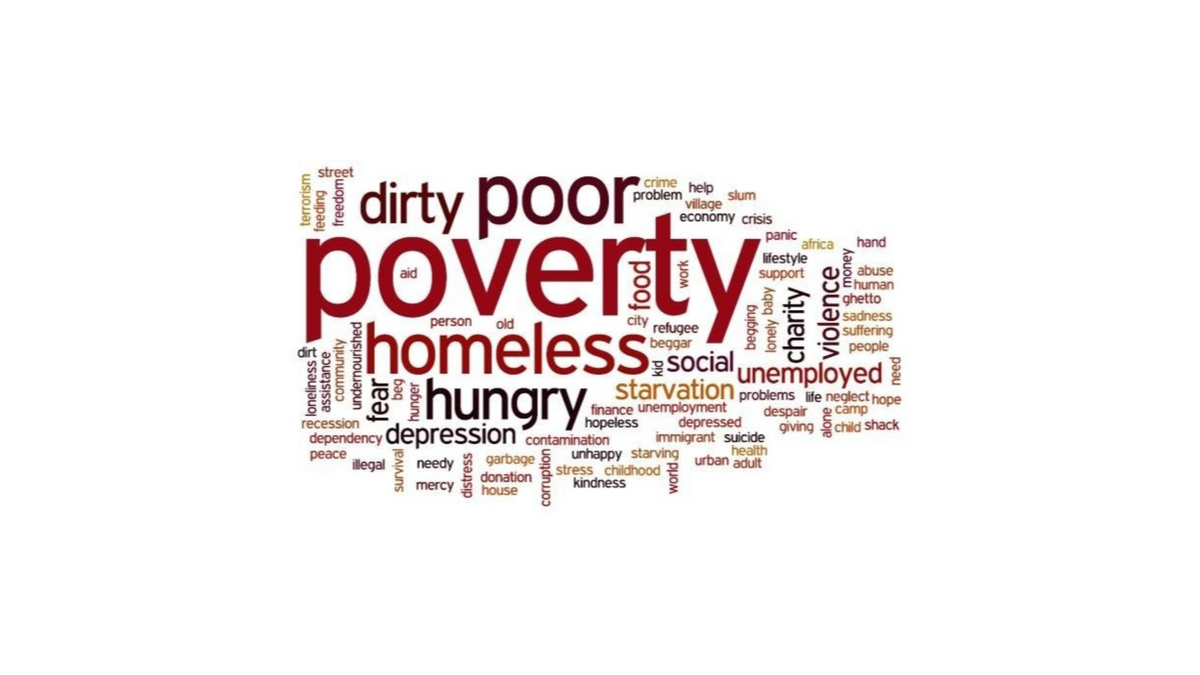
Less spoken about is poverty. Poverty is often seen as a personal struggle, but its impacts extend far beyond individuals. It carries a significant economic and social cost, burdening communities, governments, and entire economies. Understanding the comprehensive cost of poverty is essential for crafting effective policies and fostering equitable societies.
Economic Costs
Healthcare Expenditures: Individuals living in poverty are more likely to experience chronic illnesses and have limited access to preventative care. Consequently, government programs like Medicaid and emergency services bear the financial burden of treating preventable diseases and managing chronic conditions.
Education Deficiencies: Children in low-income households often attend underfunded schools and face barriers to educational success. This contributes to lower educational attainment, reducing earning potential and decreasing economic productivity.
Lost Productivity and Economic Output: Poverty limits the workforce’s skills and capabilities. When individuals are unable to access higher education or job training, businesses suffer from a lack of skilled labor, diminishing national productivity.
Increased Social Services: Governments allocate substantial resources to support impoverished populations through welfare programs, housing assistance, and food security programs. These expenditures could be reduced if systemic poverty were effectively addressed.
Consumer finance issues: Lower income consumers are much more reliant upon alternative financial services that are more expensive, such as check cashers and payday lenders, pawnshops, and auto-title lenders. For those with a traditional bank, customers who can maintain a minimum bank balance can avoid fees, such as monthly fees, or qualify for higher interest rates on their deposits, while overdrafts can rack up hundreds of dollars of debt in just a few days. There are fewer ATMs in poor areas, and often they are third-party machines that charge fees to all users. An area with inadequate access to traditional financial services is known as a banking desert.
Lack of transportation: Poorer neighborhoods tend to have fewer nearby jobs, requiring longer commutes and higher transportation costs in terms of both time and money. This can decrease employment opportunities, increasing unemployment. Public transportation tends to underserve poorer areas, a situation known as a transit desert, which can reduce access to quality schools, health care, food, and other products at affordable prices. Poorer neighborhoods often have fewer street and sidewalk improvements, including curb ramps that help not only disabled people using wheelchairs, walkers, and canes, but also people with babies using strollers, and those engaging in exercise such as cycling. These inequalities are known as the transport divide. Highways tend to be routed through poorer neighborhoods, carving up communities and walling them off from more prosperous areas.
Food deserts: Small dollar stores that provide little to no fresh food tend to cluster in low-income neighborhoods, driving out fuller service grocery stores and supermarkets that provide more fresh food. The price of fresh food then becomes more expensive due to the added costs of the consumer's transportation to more distant stores in both time and money, or because stores that stock fresh food in low-income communities do so at higher prices, due to factors such as fewer economies of scale in purchasing power, sales volume, and managing the supply chain of perishable food. Other stores that may provide food to low-income areas include gas stations and convenience stores, neither of which tend to carry much fresh food. Areas without access to fresh food are known as food deserts. In addition, landlords, HOAs, and/or local laws have strict rules about land use in the form of zoning laws, which may not allow for people to plant gardens for either community or private use, which further hinders access to food. This disproportionately impacts impoverished people because they cannot easily access grocery stores as a replacement source of food due to food deserts, transportation costs, and threat of crime.
Higher insurance costs: Poorer people are less likely to have money to pay for insurance coverage, leaving them more vulnerable to financial losses after adverse impacts.
Lack of quality retail: Although studies have reached different conclusions, there is evidence to suggest that the poor and wealthy pay roughly the same prices when buying the same products. However, inflation on basic, low-priced goods purchased by lower-income consumers can rise faster than on goods purchased by higher-income earners. Rent-to-own and consumer financing terms tend to have high interest rates and are mostly used by people unable to pay the full costs of their purchases up-front. Poorer consumers are less able to afford bulk purchases, losing out on volume discounts. A particular case of higher retail costs and health costs converging involves cigarettes, with poorer people more likely to have a nicotine addiction in part due to cigarette marketing targeting low-income communities. In addition to the health costs of tobacco use, the unit price to purchase cigarettes is higher in a single pack vs. a larger carton, and can be higher still when purchased as individual cigarettes, whether legally or illegally. While illegal purchases of single cigarettes can avoid taxes, they carry the risk of costly criminal penalties.
Environmental costs: Lower-income and minority areas have often been targeted as sites for environmental hazards or general hazards to property values that those with more political power don't want in their neighborhoods, increasing costs to poor people's health and decreasing the net worth of the neighborhoods' homeowners. Such hazards can include landfills, power plants, chemical plants, oil wells, oil and chemical pipelines, industrial parks, sewage treatment plants, fracking sites, incinerators, quarries, prisons, adult entertainment clubs, railways, highways, airports, and seaports. Routing highways and other major thoroughfares through minority neighborhoods not only increased pollution in those communities, it also eliminated many minority communities, or created barriers that cut those communities off from their more prosperous surroundings, surroundings that certain families, including black families, were historically barred from moving to due to redlining and other housing discrimination. Prior to being carved through by highways, minority neighborhoods were often severed by railways, inspiring the phrase, "the wrong side of the tracks.
Social and Societal Costs
Crime and Public Safety: Poverty is closely linked to higher crime rates. Desperation and lack of opportunity can lead to increased criminal activity, straining law enforcement, the judicial system, and correctional facilities.
Intergenerational Poverty: Poverty is often cyclical, with children born into poverty more likely to remain impoverished as adults. This perpetuates inequality and reduces upward mobility, hampering long-term societal progress.
Mental and Physical Health: Stress and trauma associated with poverty lead to higher rates of mental illness, substance abuse, and other health challenges. This further burdens healthcare systems and reduces overall societal well-being.
The Parting Glass
Investing in poverty reduction measures not only benefits those directly affected but also results in widespread economic gains. Policies such as improving education access, expanding affordable healthcare, supporting job training programs, and strengthening social safety nets can mitigate the cost of poverty.
Ultimately, addressing poverty is not merely an ethical obligation but an economic necessity. By reducing poverty, societies can unlock greater productivity, lower healthcare and criminal justice expenses, and promote a healthier, more equitable future for all.
There is more to wishing all can retire with dignity. We must provide a living wage so they have a fair shot at that goal. And on the flip side, it is imperative to take steps to alleviate poverty.